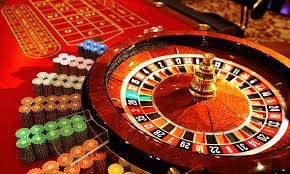
Slot machines are one of the most iconic forms of deposit 5000 entertainment worldwide. Found in casinos, online platforms, and even mobile apps, they combine simplicity with the thrill of chance. Despite their straightforward appearance, slot machines are built on complex mathematical systems and have evolved significantly over more than a century.
1. What Is a Slot Machine?
A slot machine (often simply called a “slot”) is a gambling device that generates random combinations of symbols when a player spins its reels. If the symbols align in a winning pattern, the player receives a payout based on the game’s paytable.
Modern slots are fully digital and operate using software rather than mechanical parts, but the core idea remains the same: spin, wait, and see if luck is on your side.
2. A Brief History of Slot Machines
The origin of slot machines dates back to the late 19th century.
The First Slot Machine
- In 1895, Charles Fey, a mechanic from San Francisco, created the first widely successful slot machine called the Liberty Bell.
- It featured three spinning reels with symbols such as horseshoes, stars, and bells.
- Matching three Liberty Bells resulted in the highest payout.
Evolution Over Time
- Early 1900s: Mechanical slots spread in bars and saloons.
- 1960s: Electromechanical machines introduced more complex gameplay.
- 1970s–80s: Video slots replaced physical reels with screens.
- 1990s–Present: Online and mobile slots revolutionized accessibility.
Today, slot machines are among the most profitable casino games globally.
3. How Slot Machines Work
Although they look simple, slot machines rely on advanced mathematical systems.
Random Number Generator (RNG)
Modern slots use a Random Number Generator (RNG), a computer algorithm that:
- Continuously generates random number sequences
- Determines the outcome of each spin instantly
- Ensures every spin is independent and unpredictable
This means there is no pattern or “memory” in slot machines—each spin is purely chance-based.
4. Key Components of a Slot Game
1. Reels
Vertical sections that spin and display symbols. Classic slots typically have 3 reels, while modern ones may have 5 or more.
2. Paylines
Lines that determine winning combinations. These can be:
- Straight
- Diagonal
- Zigzag patterns
Some modern slots offer hundreds or even thousands of ways to win.
3. Symbols
Common symbols include:
- Numbers or fruits (classic slots)
- Characters, gems, or themed icons (video slots)
- Special symbols like wilds and scatters
4. Wild Symbols
Substitute for other symbols to complete winning combinations.
5. Scatter Symbols
Trigger bonus rounds or free spins, regardless of their position.
5. Types of Slot Machines
Classic Slots
- 3 reels
- Simple gameplay
- Inspired by original mechanical machines
Video Slots
- 5+ reels
- High-quality graphics and animations
- Story-driven themes
Progressive Jackpot Slots
- Jackpot increases with every bet placed
- Can reach life-changing amounts
- Linked across multiple machines or casinos
3D Slots
- Advanced animations and immersive gameplay
- Often include cinematic experiences
6. Return to Player (RTP) and House Edge
Every slot machine has a built-in statistical advantage for the casino.
RTP (Return to Player)
- Expressed as a percentage
- Example: 96% RTP means the game returns $96 for every $100 wagered over time
House Edge
- The casino’s long-term profit margin
- Inverse of RTP
Important note: RTP is calculated over millions of spins, not individual sessions.
7. Online Slot Machines
With the rise of the internet, slots have become a major part of online gaming platforms.
Advantages of Online Slots
- Play anytime, anywhere
- Huge variety of themes
- Free demo versions available
- Mobile-friendly interfaces
Features in Online Slots
- Bonus rounds
- Free spins
- Multipliers
- Interactive mini-games
8. Psychological Appeal of Slots
Slot machines are designed to be engaging and entertaining.
Key Psychological Factors:
- Near-miss effect: Almost winning increases excitement
- Variable rewards: Unpredictable payouts keep players engaged
- Sensory stimulation: Lights, sounds, and animations enhance experience
These elements create a highly immersive environment, which is why slots are so popular.
9. Responsible Gaming
While slot machines are entertaining, they are also games of chance with financial risk.
Tips for Responsible Play:
- Set a strict budget before playing
- Avoid chasing losses
- Treat slots as entertainment, not income
- Take regular breaks
Understanding randomness helps maintain a healthy approach to gaming.
Conclusion
Slot machines have come a long way from the mechanical Liberty Bell to today’s sophisticated digital games. Whether in physical casinos or online platforms, their appeal lies in simplicity, unpredictability, and excitement. However, it’s important to remember that they are designed as games of chance, and outcomes are always random.