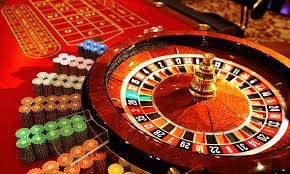
Slot machines are one of the most iconic forms of entertainment in the world of gambling. Known for their flashing lights, ringing bells, and the promise of big slot88 , these machines have captured the imaginations of players for over a century. However, the story behind slot machines is far more complex than their simple “spin and win” appearance suggests. They are a remarkable intersection of technology, psychology, and culture, evolving constantly to adapt to the preferences and habits of players.
Origins: The Mechanical Beginnings
The first true slot machine was invented in 1895 by Charles Fey, a San Francisco mechanic. His creation, the Liberty Bell, featured three spinning reels adorned with symbols like horseshoes, spades, hearts, diamonds, and the Liberty Bell itself. When a player lined up three bells, the machine would dispense a payout.
Fey’s invention revolutionized gambling by automating the process of wagering and payout. Unlike previous devices, it required no dealer or complex calculations—the machine itself handled everything. This simplicity, combined with the thrill of spinning reels, made it an instant hit.
Early slot machines were entirely mechanical. Each reel was controlled by a series of gears, springs, and levers. Despite their simplicity, these machines were clever engineering feats. They laid the foundation for a gambling phenomenon that would grow for generations.
The Fruit Machine Era
In the early 20th century, slot machines evolved into what became known as “fruit machines.” These machines replaced classic symbols with fruits like cherries, lemons, and plums. Interestingly, many early fruit machines dispensed candy instead of cash, allowing operators to navigate strict anti-gambling laws.
This era introduced more creativity in design and gameplay. Machines began to include multiple payout combinations, bonus prizes, and thematic elements. The fruit machine became especially popular in Europe and the United States, cementing the slot’s reputation as a widely accessible form of entertainment.
Electromechanical Innovation
By the 1960s, slot machines experienced a technological leap with the advent of electromechanical models. Electrical systems began to replace some mechanical components, allowing developers to add new features such as:
- Multiple coin slots and betting options
- Flashing lights and engaging sound effects
- Bigger jackpots and more complex payouts
The electromechanical era made slot machines more immersive and exciting. It also allowed casinos to introduce standardized features that are now taken for granted, such as coin detectors, automated payouts, and enhanced reliability.
Video Slots and the Digital Revolution
The next major milestone came in the 1970s with video slot machines. These machines used screens instead of physical reels, opening endless possibilities for creativity. Developers could now introduce:
- Bonus rounds and mini-games
- Themed storylines and animated sequences
- Multiple paylines and progressive jackpots
Video slots transformed the gambling experience from a purely mechanical activity into an interactive and visually stimulating form of entertainment. The appeal of these machines extended beyond gambling—they became an experience in themselves, combining chance with narrative and visual engagement.
Online Slots and Mobile Gaming
The expansion of the internet in the 1990s and 2000s brought slot machines into the digital age. Online casinos allowed players to access hundreds of slot games without leaving their homes. Mobile technology further revolutionized the experience, enabling players to spin reels anytime, anywhere.
Online and mobile slots introduced features like:
- 3D graphics and cinematic soundtracks
- Hundreds of paylines and unique gameplay mechanics
- Progressive jackpots linking players globally
- Innovative themes from movies, mythology, fantasy, and adventure
The accessibility and variety of online slots contributed to their global popularity, attracting new audiences beyond traditional casino-goers.
How Modern Slots Work
Today’s slot machines rely on Random Number Generators (RNGs), sophisticated algorithms that ensure each spin is independent and unpredictable. Key terms often associated with modern slots include:
- RTP (Return to Player): The percentage of wagers that a machine is designed to return to players over time
- Volatility: The risk level of a slot—high volatility means rare but large payouts, while low volatility offers frequent smaller wins
- Paylines: Patterns across reels that determine winning combinations
These mechanics ensure fairness while maintaining the thrill of uncertainty that makes slot machines so compelling.
The Psychology Behind Slots
Slot machines are carefully designed to engage players. Visual cues, celebratory sounds, and near-miss scenarios trigger positive reinforcement in the brain. Even small wins can create a sense of reward and excitement, encouraging continued play.
The simplicity of the game also plays a major role. Unlike poker or blackjack, slots require no skill or strategy. Players only need to spin the reels and hope for a winning combination, making them accessible to all ages and experience levels.
Themes, Creativity, and Cultural Impact
Modern slots are a testament to human creativity. Themes range from ancient civilizations and mythology to adventure, movies, fantasy, and classic fruit symbols. Developers continue to innovate, blending storylines, interactive mini-games, and cinematic effects.
Slot machines have also permeated popular culture. They appear in films, television shows, and video games, symbolizing luck, risk, and excitement. Their iconic sounds—the spin of reels, jingling coins, and celebratory chimes—are instantly recognizable worldwide.
Progressive Jackpots: Chasing Life-Changing Wins
One of the most thrilling aspects of modern slots is the progressive jackpot. These jackpots connect multiple machines or online players into a single prize pool. A small percentage of each wager contributes to the jackpot, which can grow to astronomical sums.
Progressive jackpots create global excitement. Stories of life-changing wins fuel the allure of slots and inspire players to dream big with every spin.
The Future of Slot Machines
The future promises even more innovation. Emerging technologies like virtual reality (VR), augmented reality (AR), and artificial intelligence (AI) are poised to transform the slot experience. VR slots could immerse players in fully interactive worlds, while AI may personalize gameplay to individual preferences.
Blockchain technology is also making its way into online slots, offering transparent outcomes and secure transactions. These advancements may redefine the gambling landscape, making slot machines more immersive, fair, and accessible than ever before.
Responsible Gaming
Despite their entertainment value, it’s essential for players to engage with slot machines responsibly. Understanding odds, setting limits, and viewing play as leisure rather than a way to earn money are key. Many platforms now provide tools such as spending caps, time limits, and self-exclusion options to promote safe gaming habits.
Conclusion
From the mechanical Liberty Bell to sophisticated digital platforms, slot machines have evolved remarkably over the past century. They combine technology, psychology, art, and chance into an experience that is both entertaining and iconic.
Today, slots remain a global phenomenon, attracting millions of players and continuously adapting to technological and cultural trends. Whether in a traditional casino, on a computer, or on a smartphone, the simple thrill of spinning reels continues to captivate players across the world.